
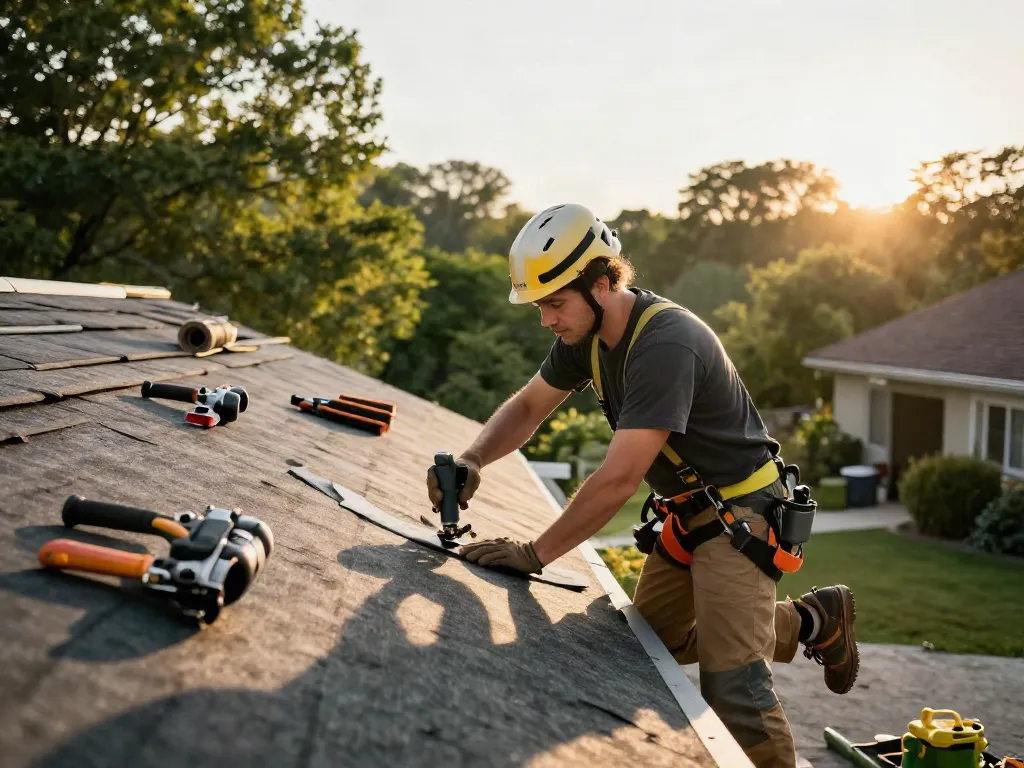
Understanding Felt Roofing: Importance and Benefits
Felt roofing has become a favored choice for many homeowners and builders due to its durability, affordability, and effective waterproofing capabilities. Whether you are considering a new installation or replacement for your existing flat roof, understanding the fundamentals of felt roofing is essential. With modern advancements in materials and installation techniques, felt roofing is a robust solution that promises longevity against the harshest weather. When exploring options, felt roofing provides comprehensive insights into the latest technologies and services available.
What is Felt Roofing?
Felt roofing consists of multiple layers of materials fused together to create a waterproof barrier for flat or low-pitched roofs. The most common types of felt roofing include bitumen-based felts and modified bitumen, which are designed to withstand a range of weather conditions. The installation process typically involves layering these materials and securing them with adhesives or heat, creating a seamless surface that effectively prevents water ingress.
Advantages of Using Felt Roofing
- Cost-effective: Felt roofing systems are generally more affordable than other roofing options, making them a popular choice for budget-conscious homeowners.
- Easy Installation: The application of felt roofing is relatively straightforward, allowing for quicker installation times.
- Durability: Modern felt roofing is built to last, offering resistance to UV damage and weather wear, thus extending the life of the roof.
- Variety of Options: Homeowners have various choices, including different thicknesses and surface materials, to suit their specific needs.
- Eco-friendly: Many felt roofing products are made from recycled materials and can be recycled at the end of their lifespan.
Common Applications for Felt Roofing
Felt roofing is versatile and can be used in various applications, including:
- Residential properties
- Commercial buildings
- Garages and sheds
- Extensions and porches
- Garden structures
Finding Trusted Felt Roofing Specialists
When it comes to installing or repairing your felt roof, finding reliable roofing specialists is crucial. The quality of workmanship directly affects the longevity and effectiveness of your roofing system. Hiring experienced roofers not only ensures proper installation but also minimizes the risks associated with potential leaks and damage.
How to Identify Qualified Roofers
To ensure you hire a qualified roofer, consider the following:
- Certifications: Look for contractors who are certified and recognized by roofing authorities.
- Experience: Check how long the contractor has been in business and their expertise in working with felt roofing materials.
- Portfolio: Request to see previous projects to gauge their workmanship and familiarity with different roofing systems.
Importance of Insurance and References
Always hire roofers who carry comprehensive insurance to protect yourself from liability in case of accidents. Additionally, ask for references from previous clients to assess their reliability and the quality of their work. A reputable contractor should have no issues providing you with this information.
Questions to Ask Potential Roofing Contractors
When interviewing potential contractors, here are some crucial questions to consider:
- What type of warranty do you offer on your workmanship?
- Can you provide a detailed written estimate that includes materials and labor?
- How do you handle unexpected issues or increased costs during the project?
- What is your expected timeline for completion?
Modern Felt Roofing Systems Explained
Modern felt roofing has evolved significantly with advancements in material technology and installation methods. Understanding these elements can help homeowners make informed decisions about their roofing options.
Types of Felt Roofing Materials
Today’s felt roofing systems typically include various materials, such as:
- Bitumen Felt: The traditional option, good for budget-conscious projects.
- Modified Bitumen: Offers enhanced flexibility and weather resistance.
- EPDM (Ethylene Propylene Diene Monomer): A rubber membrane known for its durability and ease of installation.
Installation Techniques for Optimal Performance
The installation technique used is critical for maximizing the lifespan and performance of felt roofing. Key methods include:
- Torch-on: Involves heating the under-layer to bond it firmly to the substrate.
- Cold Adhesive: Uses a cold-applied adhesive to secure the felt layers in place.
- Self-adhesive: A user-friendly option that requires minimal tools and skills for installation.
Maintenance Practices for Longevity
Regular maintenance is essential to prolong the life of your felt roofing system. Here are some best practices:
- Conduct regular inspections to identify and address any potential issues early.
- Clear accumulated debris that can trap moisture and damage the roofing materials.
- Ensure that drainage systems are functioning correctly to prevent water pooling.
How Our Free Quote Service Works
Finding the right felt roofing specialist can be daunting, but our free quote service simplifies the process. By using our platform, you can compare multiple quotes from vetted contractors, ensuring you get the best value for your investment.
Submitting Your Enquiry: Step-by-Step Guide
To get started, follow these simple steps:
- Complete the online enquiry form with details about your roofing requirements.
- Provide specifics such as roof size, material, and any existing damage.
- Attach photos if possible to give contractors a clear understanding of the work needed.
What to Expect After Submitting Your Request
Once your enquiry is submitted, you will receive responses from up to four local roofers who can assist with your needs. Each contractor will reach out to discuss your project further, allowing you to ask questions and clarify any details.
Comparing Quotes: Finding the Best Value
Comparing quotes allows you to evaluate different proposals based on price, materials, and timelines. Make sure to look for thoroughness in each quotation, ensuring that everything you need is included.
Future Trends in Felt Roofing for Homeowners
As the roofing industry changes, homeowners should stay informed about emerging trends and technologies that could enhance their roofing experience.
Emerging Technologies in Roofing Materials
Innovations in roofing materials are focused on improving energy efficiency and sustainability. For instance, reflective membranes can help reduce cooling costs by reflecting sunlight, while green roofing solutions promote biodiversity and reduce stormwater runoff.
Environmental Considerations for 2026 and Beyond
In 2026, homeowners will likely face increasing pressures to adopt eco-friendly practices, including the use of recyclable roofing materials and energy-efficient systems. Understanding your choices can support not only your budget but also environmental sustainability.
Expert Insights: What Homeowners Need to Know
Experts recommend that before investing in a new roofing system, homeowners should consider their long-term needs, including energy costs, aesthetics, and overall building performance. Engaging with professionals can provide insight into the best options available based on individual circumstances.
What Makes a Roofer Stand Out?
Quality craftsmanship, good communication, and a strong reputation in the community distinguish the best roofers from the rest. Look for specialists who prioritize customer satisfaction and have a track record of successful projects.
How to Avoid Common Felt Roofing Pitfalls?
Common pitfalls include selecting a contractor based solely on price or failing to ask enough questions about the materials used. Ensure that you understand the implications of various roofing options and the importance of quality installation.
What Are the Signs Your Felt Roof Needs Repair?
Indicators that your felt roof may require repair include:
- Visible cracks or blisters in the felt
- Leaks during rain or snow
- Pooling water on the surface
How to Choose Between Repair and Replacement?
When contemplating the condition of your felt roof, consider whether repairs can address the issues or if a total replacement would be more cost-effective in the long run. Consulting a professional can provide clarity on the best route based on current conditions.
What Are the Latest Innovations in Felt Roofing?
Advancements in felt roofing materials have led to the introduction of lightweight, durable, and better-insulated options. Homeowners can benefit from these innovations by increasing the longevity of their roofs while enhancing energy efficiency.