
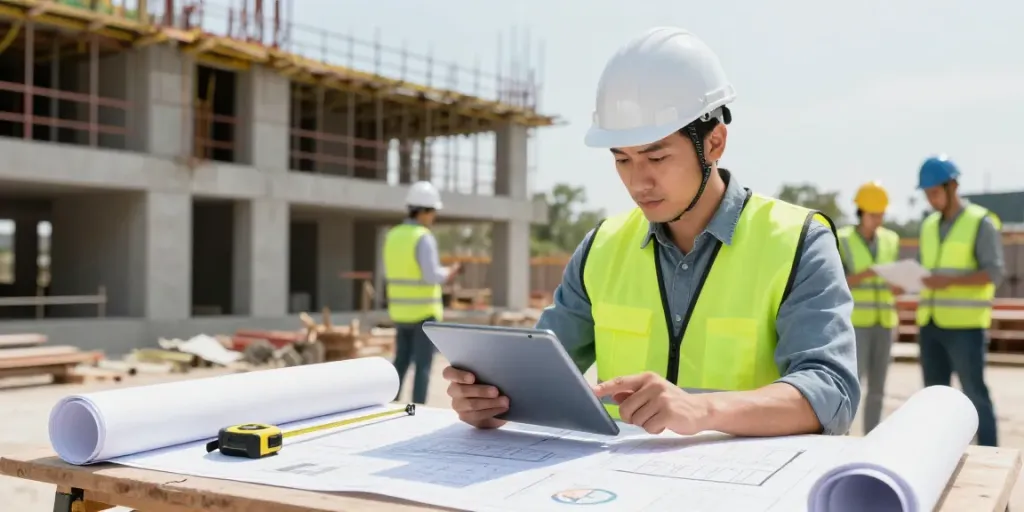
Understanding the Role of a Construction Cost Estimator
A construction cost estimator plays a crucial role in the success of any construction project. Their primary responsibility is to provide accurate cost estimates, which involve evaluating various factors, including materials, labour, and timelines. As you navigate the complex landscape of construction budgeting, it is essential to understand how a construction cost estimator can help streamline your processes, maximize profits, and mitigate financial risks.
What Does a Construction Cost Estimator Do?
The role of a construction cost estimator involves detailed analysis and projection of the expenses associated with a construction project. They collect data from previous projects, analyze current market trends, and consult with architects and engineers to derive precise estimates. Their focus ranges from the initial budget setting to final account settlements after project completion, ensuring that every aspect of the project's financials is accounted for.
Furthermore, skilled cost estimators prepare Bills of Quantities (BoQs), which are essential documents that break down the project into quantifiable items. This allows clients and contractors to understand the scope of work and associated costs clearly. By providing such clarity, cost estimators contribute significantly to effective communication among all parties involved.
Importance of Accurate Cost Estimates in Construction
Accurate cost estimates are vital for several reasons. Firstly, they facilitate informed decision-making, enabling stakeholders to allocate resources wisely. Secondly, precise estimates help manage client expectations, ensuring all parties are aware of potential costs and timelines from the outset. Lastly, accurate estimates play a crucial role in maintaining cash flow, which is essential for the smooth running of any construction project.
A miscalculation at any stage can lead to budget overruns, which may compromise project integrity or cause delays. Thus, having a reliable construction cost estimator is imperative to mitigate such risks and navigate the complexities of the construction process efficiently.
Common Mistakes Made by New Construction Cost Estimators
New construction cost estimators may encounter several pitfalls. One common mistake is underestimating material costs, often due to fluctuating market prices. This miscalculation can lead to significant budget shortfalls. Another frequent error is overlooking indirect costs, such as overhead and administrative expenses, which can inflate the overall project expense if not accounted for.
Additionally, failing to update estimates based on recent project data or market trends can result in outdated assumptions that do not reflect current conditions. Ensuring that continuous education and adaptation to market changes are integrated into the estimating process is crucial for preventing these errors.
Key Skills Required for Effective Cost Estimation
Technical Skills for Accurate Cost Estimation
Expertise in construction techniques, materials, and methodologies is fundamental for any cost estimator. A deep understanding of building codes, regulations, and local market conditions allows estimators to develop accurate and comprehensive cost estimates.
Moreover, proficiency with estimation software and tools is increasingly necessary. These tools enhance the capability to analyze large amounts of data swiftly and effectively, improving the accuracy of the estimates. Cost estimators must also be adept at creating detailed spreadsheets and reports that provide clear insights into the budgeting process.
Soft Skills that Enhance Communication and Negotiation
In addition to technical skills, effective communication and negotiation abilities are paramount. Estimators must liaise with various stakeholders, including contractors, suppliers, and clients, to gather essential information and clarify any misunderstandings. Being able to articulate complex financial data in easy-to-understand language can help build trust and foster collaboration across teams.
Negotiation skills are also critical when discussing contract terms and managing budgets. A successful estimator can advocate for the best interests of their clients while maintaining strong professional relationships with contractors and suppliers.
Tools and Software for Construction Cost Estimators
In today's digital era, the use of specialized software is crucial for any construction cost estimator. Tools such as CostX, ProEst, and Sage Estimating allow for enhanced accuracy and efficiency in generating estimates.
These platforms often provide features such as auto-calculation, integration with project management systems, and cloud-based accessibility, which facilitate easier collaboration among project teams. By leveraging technology, construction cost estimators can significantly reduce the time spent on calculations and focus more on analysis and strategy development.
Challenges Faced by Construction Cost Estimators
Addressing Fluctuations in Material Costs
One of the most significant challenges faced by construction cost estimators is the volatility of material costs. Prices for essential materials can fluctuate widely based on market demands, geopolitical events, and supply chain disruptions. This variability can severely impact budget forecasts and overall project viability.
To mitigate this risk, estimators must stay informed about market trends and establish strong relationships with suppliers to negotiate better pricing and secure materials at favorable rates. Implementing contingency plans that accommodate potential price increases is also a prudent strategy.
Managing Client Expectations and Budgets
Another challenge involves managing client expectations regarding project timelines and costs. Clients often have specific ideas about budget constraints and desired outcomes, which may not align with realistic estimates. Clear communication about the potential for cost overruns or delays is essential in setting achievable goals.
Additionally, providing regular updates and engaging clients during the estimation process can build trust and ensure that all parties are on the same page, reducing dissatisfaction and confusion when challenges arise.
Dealing with Project Delays and Their Financial Implications
Project delays are an unfortunate reality in the construction industry, often stemming from unforeseen circumstances such as adverse weather conditions or regulatory hold-ups. These delays can lead to increased costs due to extended labour contracts, penalties, or additional material costs.
Cost estimators must be prepared to adjust budgets accordingly and provide revised estimates to reflect these changes accurately. Developing a flexible approach that allows for swift modifications is essential in keeping projects on track and minimizing financial repercussions.
Best Practices for Accurate Cost Estimation
Gathering Reliable Data for Cost Estimates
Accurate cost estimation begins with reliable data collection. Estimators should utilize historical data from previous projects, consult industry reports, and reference databases that track material costs and regional pricing trends. This comprehensive data collection will provide a solid foundation for creating precise estimates.
Furthermore, collaborating with subcontractors and suppliers can yield valuable insights into current market rates and labour costs, ensuring that the estimates reflect real-world conditions.
The Process of Creating a Comprehensive Estimate
Creating a comprehensive estimate involves several key steps. Firstly, estimators should break down the project into manageable segments or phases. Each phase should then be assessed for all required resources, which includes materials, labour, and overhead costs. This systematic approach helps ensure that nothing is overlooked.
Once the estimates are compiled, it is essential to review and cross-check them with stakeholders to validate assumptions and calculations. This collaborative effort can help catch any discrepancies early, allowing for adjustments before moving to the next phase of the project.
Utilising Technology to Streamline Estimation Processes
Embracing technology in construction cost estimation not only increases accuracy but can also save significant time. Utilizing advanced software solutions allows estimators to automate repetitive tasks, generate reports quickly, and maintain up-to-date cost databases.
Additionally, cloud-based platforms enable real-time collaboration, ensuring that all stakeholders have access to the latest information and updates, which is crucial for managing fast-paced projects. By integrating technology into the estimation process, construction cost estimators can enhance overall project efficiency and effectiveness.
Future of Construction Cost Estimation in 2026 and Beyond
Emerging Trends in Cost Estimation Practices
The future of construction cost estimation is evolving with emerging trends such as the increasing reliance on big data and analytics. As construction projects grow in complexity, estimators are leveraging data analytics to inform their decisions and enhance the accuracy of their estimates.
Moreover, the integration of Building Information Modelling (BIM) into cost estimation processes is becoming more prevalent. BIM allows for a 3D representation of construction projects, enabling estimators to visualize the project and its associated costs more effectively.
The Role of Artificial Intelligence in Cost Estimation
Artificial Intelligence (AI) is poised to revolutionize the construction cost estimation landscape. AI-powered tools can analyze vast amounts of data to predict project costs with greater precision, identify potential risks, and even automate certain aspects of the estimation process.
As these technologies become more accessible, cost estimators who embrace AI will likely have a competitive advantage, allowing them to deliver faster and more accurate estimates than ever before.
Preparing for Sustainability and Eco-friendly Construction Costs
Environmental considerations are playing an increasingly significant role in construction projects. As sustainability regulations tighten and eco-friendly practices gain traction, cost estimators must adapt their approaches to address these changes.
This includes understanding the financial implications of using sustainable materials, energy-efficient technologies, and environmentally friendly construction methods. By incorporating sustainability into their estimates, construction cost estimators can help clients meet regulatory requirements while also minimizing their environmental impact.
How do I estimate construction costs?
Estimating construction costs involves gathering data on material prices, labor rates, and project timelines to create a comprehensive budget. Utilizing software tools alongside historical project data can enhance the accuracy of these estimates.
Is there a free software to estimate construction costs?
Several free software options are available for estimating construction costs, including online calculators and basic budgeting tools. However, more sophisticated software may offer greater accuracy and efficiency for larger projects.
What is the formula for estimating construction costs?
The basic formula for estimating construction costs can be defined as: Total Cost = Material Costs + Labour Costs + Overhead + Contingency. Each component should be carefully analyzed to ensure accuracy.
Why is hiring a construction cost estimator beneficial?
Hiring a construction cost estimator brings expertise in budgeting, resource allocation, and risk management, ensuring that projects are completed within budget and on time. Their insights can significantly enhance project clarity and stakeholder communication.
What skills make a successful construction cost estimator?
A successful construction cost estimator should possess a combination of technical knowledge, analytical skills, and strong communication abilities. Proficiency in software tools and an understanding of current market trends are also essential.